Broken Tooth? What to Do Next and How an Eatontown Dentist Can Help

Chipped or broken a tooth? Here is what to do right away, when it counts as an emergency, and how bonding, crowns or root canal treatment can repair it.
A broken tooth can often be repaired, but the right treatment depends on how much tooth is damaged, whether the nerve is affected, and whether the remaining tooth can support a restoration. Rinse gently, avoid chewing on that side, save any fragments, and call a dentist. Even a painless break deserves an evaluation.
If you are in Eatontown or a nearby Monmouth County community, call Seaview Dental at (732) 542-7770. Tell our team what happened and whether you have pain, bleeding, or swelling. We prioritize emergency appointments whenever possible and will explain the next step.
Having trouble breathing or swallowing, rapidly increasing facial or neck swelling, or bleeding that will not stop? Call 911 or go to an emergency department. These symptoms need immediate medical attention. Do not wait for an online appointment request to be answered. Read about dental infection warning signs.
What should you do immediately after breaking a tooth?
Start by protecting the area rather than trying to repair it yourself. A gentle rinse with warm water can clear loose debris. A cold compress against the outside of your face may help with swelling after an injury. Avoid biting with the damaged tooth, and keep any broken pieces in a clean container to bring to your appointment. These steps follow the American Dental Association’s dental emergency guidance.
Do not use household glue, file the tooth, or keep testing it with hard food. A rough edge can feel very noticeable to your tongue, but repeatedly touching or biting on it will not tell you how deep the damage goes. If the edge is cutting your cheek, ask the dental team what temporary protection is appropriate.
When you call, describe the change in everyday language: “A piece came off my back tooth,” “My front tooth chipped,” or “It hurts when I release my bite.” You do not need to identify the tooth number or know which procedure you need. The purpose of the call is to help us understand the problem and arrange the right evaluation.
Keep track of whether symptoms are changing. New swelling, increasing pain, fever, or difficulty opening your mouth should be reported promptly. If you cannot reach the office and your symptoms are worsening, seek another source of urgent dental care rather than waiting for the next routine opening.
Is a broken tooth always a dental emergency?
A broken tooth warrants a call to a dentist, but different situations need different responses. A tiny chip without pain is different from a tooth fractured after a fall with swelling and uncontrolled bleeding. You should not have to make that distinction alone. Describe the injury and let the team help you decide how quickly to be seen.
- Small chip, no swelling, no significant pain: Call for an evaluation; protect the tooth until your visit.
- Pain when biting, temperature sensitivity, or a larger piece missing: Call promptly and describe your symptoms so the team can assess urgency.
- Significant tooth pain, new swelling, or a gum bump near the tooth: Request urgent dental guidance.
- Breathing or swallowing difficulty, rapidly spreading swelling, or uncontrolled bleeding: Seek emergency medical care immediately.
The size of the visible chip is only part of the picture. A tooth may have a small-looking defect and deeper damage, or a larger chip that leaves the nerve unaffected. An examination is more useful than comparing your tooth with pictures online.
Our emergency dentistry page explains how Seaview handles urgent concerns. New patients are welcome to call. Same-day appointments are prioritized when possible, but calling first allows us to confirm availability and advise you before you travel.
Why can a broken tooth hurt only sometimes?
Some damaged teeth hurt when you chew, while others react to cold drinks or feel completely normal between meals. An intermittent symptom still provides useful information. Tell the dentist what brings it on, whether it stops quickly, and whether you can consistently identify the same tooth.
Pain does not function as a reliable measurement of the size of a crack. The American Association of Endodontists describes cracked-tooth symptoms that may come and go, including discomfort during chewing and temperature sensitivity. Different types and locations of cracks can require different treatment.
Avoid repeatedly biting down to prove that a problem is still there. Instead, make a short note about the last time you noticed it. Was it a soft sandwich, a crunchy snack, or a cold drink? Did the pain linger? That information can help your dentist choose the right tests without asking you to keep aggravating the tooth at home.
If the pain disappears before your appointment, keep the appointment unless the office advises otherwise. A change in symptoms does not confirm that the tooth has repaired itself. Let the team know what changed so the dentist can consider the full history.
A chip, a crack, or a lost filling: why the distinction matters
Patients often use “broken tooth” to describe several different problems. You might be looking at a chip in natural enamel, a fractured section around an old filling, a damaged crown, or a filling that has come out. The treatment decision begins with identifying what is missing and what remains healthy.
A chip is a missing piece. A crack is a line of damage that may extend farther than the surface suggests. A lost restoration is a problem involving previous dental work, although the underlying tooth may also need attention. More than one issue can occur at the same time.
This is why a photograph can be helpful for showing appearance but cannot settle the treatment plan. A photo does not show how the tooth responds to testing, whether a crown fits properly, or what is happening beneath the gum. Your dentist combines your description with an examination and appropriate imaging.
If an entire cap has come off, put it somewhere safe and bring it with you. You may need a crown evaluation rather than repair of exposed natural enamel. Do not assume that a loose crown can simply be glued back into place; the tooth underneath and the crown’s fit both need to be checked.
How does a dentist decide whether a broken tooth can be saved?
The main question is whether the tooth can be restored to useful, comfortable function with a reasonable outlook. A dentist considers the remaining tooth structure, the location of the damage, the condition of the pulp inside the tooth, and the supporting gums and bone. Your bite and existing restorations also matter.
At your appointment, expect questions about the event and any earlier symptoms. A tooth that broke while eating may have felt sensitive for weeks, or it may have given no warning. Both histories are worth sharing. Bring any recent dental records you have readily available, but do not delay urgent care while trying to collect them.
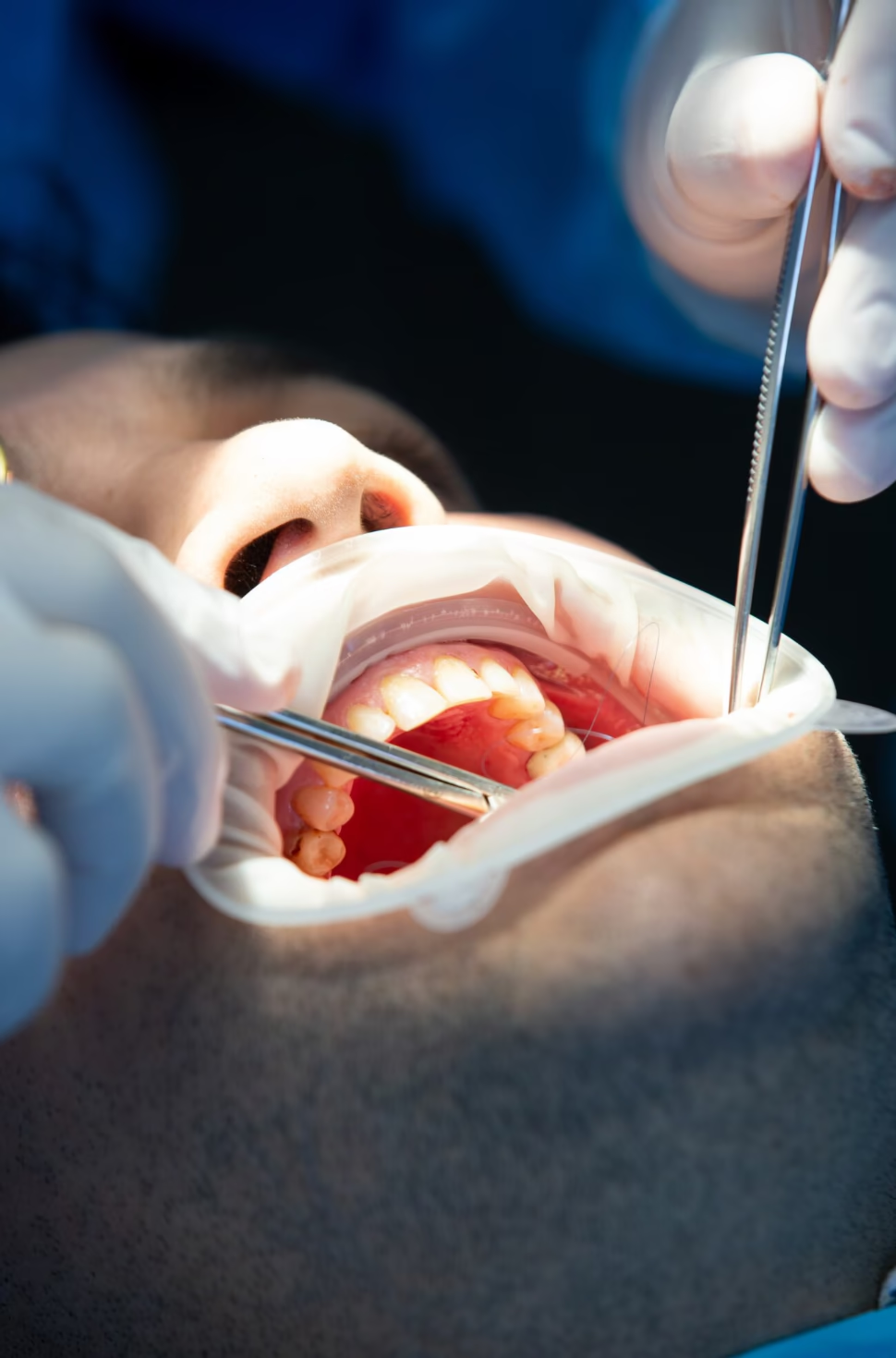
Imaging can help identify decay and other concerns, although not every crack is visible on a standard X-ray. The dentist may need additional examination or a specialist’s opinion before giving a firm recommendation. Uncertainty at the first visit is a reason to investigate carefully, not a reason to promise a particular outcome.
Ask the dentist to explain what makes your tooth repairable or difficult to restore. Understanding the reason behind the recommendation helps you compare options. A useful plan should address comfort, function, appearance, likely appointments, and what happens if the initial approach does not work as expected.
What treatments can repair a broken tooth?
Treatment can range from a small repair to a more involved restoration. The goal is to preserve healthy tooth structure when that is appropriate and give the tooth the support it needs. The following options are possibilities to discuss, not a way to diagnose your tooth at home.
Bonding or a filling
A limited defect may be suitable for dental bonding or another tooth-colored restoration that replaces the missing area. Your dentist will look at where the break sits and how much chewing pressure it receives. A small front-tooth chip and a weakened back tooth do not necessarily need the same kind of repair.
For appearance concerns, discuss shape and shade as well as strength. Bring up anything that affects your daily life, such as a sharp edge catching your lip or a change you notice when smiling. Seaview offers tooth-colored fillings, and the examination determines whether a conservative repair is suitable.
A dental crown
A crown covers the prepared tooth and may be recommended when a filling alone would not provide enough protection. The ADA’s explanation of dental crowns describes their role in restoring broken teeth and supporting weakened tooth structure.
At Seaview, the crown process typically includes preparing the tooth, taking impressions, providing a temporary, and checking the permanent crown at a later visit. Material selection depends on the tooth and your needs. Review our dental crown information for the practice’s approach, and ask which parts of that process apply to your situation.
Root canal treatment followed by restoration
If the pulp inside the tooth is irreversibly inflamed or infected and the tooth is restorable, root canal treatment may be part of saving it. This addresses the tissue inside; a suitable restoration addresses the tooth’s remaining structure. A broken tooth does not automatically need a root canal.
Seaview provides root canal therapy and coordinates the follow-up restoration. Ask whether you will need a crown, when it should be completed, and how to protect the tooth between appointments. Completing the entire plan matters as much as attending the first visit.
Removal and replacement when repair is not predictable
Some teeth cannot be restored reliably. If removal is recommended, ask what finding makes repair unsuitable and whether a specialist evaluation would change the decision. It is reasonable to want a clear explanation before agreeing to an irreversible procedure.
When replacement is appropriate, options can include a dental implant, bridge, or partial denture. Seaview’s dental implant service is one option for replacing missing teeth, but it is not the automatic next step for every broken tooth. Your health, supporting bone, neighboring teeth, preferences, and budget belong in that discussion.
Unsure which repair your tooth needs? Call Seaview Dental at (732) 542-7770 for a broken-tooth evaluation in Eatontown. We will explain the findings before you choose treatment.
What if your front tooth is chipped before an important event?
A visible chip can feel urgent even when it is not especially painful. Tell the team if you have an upcoming presentation, wedding, interview, or trip. That context can help the dentist understand your priorities and explain what is realistic within the available time.
Ask separately about immediate protection and the final cosmetic result. A short-term solution may not be the same as the restoration you would choose for long-term use. Knowing that distinction helps you plan without feeling that you must decide everything in the first few minutes.
Avoid ordering a generic cover or trying to shape the tooth yourself. Something that hides a chip may interfere with your bite or make the area harder to assess. The more useful first step is an examination that identifies the extent of the damage and whether a conservative cosmetic repair is appropriate.
If you have been considering other smile changes, mention them, but begin with the injured tooth’s health. A good cosmetic discussion should build on a stable foundation and your actual goals. You should understand why each proposed step is included.
What can you eat while waiting for your appointment?
Choose foods you can eat comfortably without using the damaged area. Soft foods may be easier, and you can avoid very hot or cold items if they trigger sensitivity. Do not use the broken tooth to test crunchy, sticky, or hard foods while waiting for professional advice.
Keep the area gently clean. If you have questions about brushing near a sharp edge, a temporary restoration, or a tender gum, ask the office for instructions specific to your situation. Avoid packing substances into the break or using improvised tools to remove material from it.
For pain relief, ask your dentist or pharmacist which over-the-counter option is appropriate for you and follow the label. Medication choices depend on your health, other medicines, and circumstances such as pregnancy. Pain relief can make you more comfortable, but it does not establish that the tooth is safe to leave untreated.
If you cannot eat, sleep, or manage your discomfort while waiting, call again and explain that change. The team needs to know when the original plan no longer fits your symptoms. Do not assume you must simply endure worsening pain until a previously arranged appointment.
What happens at a broken-tooth visit at Seaview Dental?
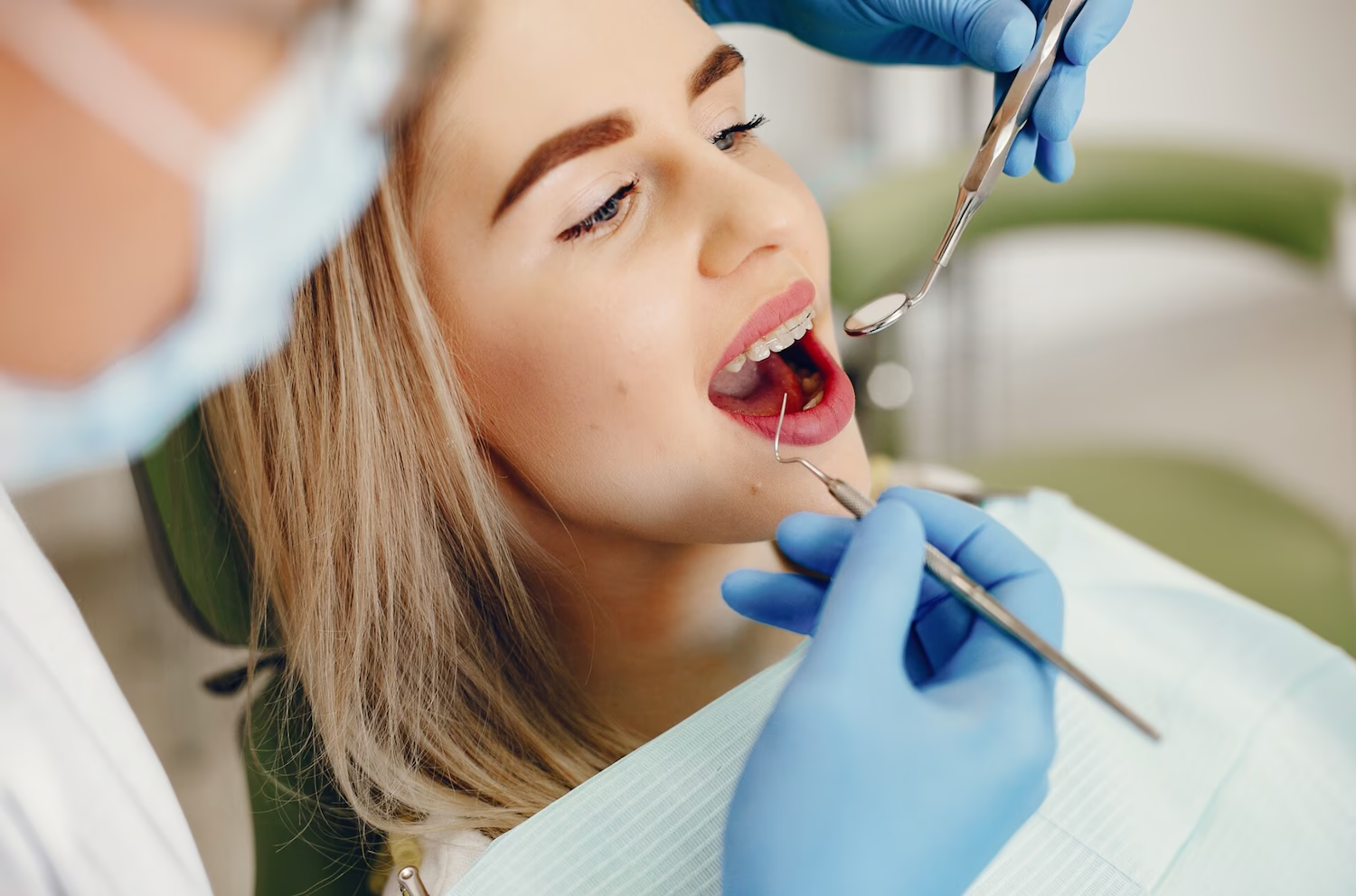
The first goal is to understand the problem and help you feel more comfortable. You can expect a discussion of symptoms, an examination, and imaging when indicated. The dentist then explains the findings and the options that fit your tooth.
Some care may be possible at the initial visit. Other situations require stabilization, further assessment, or a return appointment. Ask what will be done today, what remains afterward, and what symptoms should prompt another call. Being seen quickly and completing every stage of treatment are separate questions.
If you feel anxious, say so when you call and again when you arrive. Seaview’s approach emphasizes explanations and patient comfort. The practice also offers sedation options when appropriate; suitability, preparation, and transportation requirements need to be discussed before treatment.
Before you leave, make sure you understand how to eat and clean around the tooth, whether there is a temporary restoration, and when you should return. If written instructions differ from general advice you read online, follow the instructions given for your treatment and ask about anything unclear.
How much does fixing a broken tooth cost?
There is no single broken-tooth price because the repair can involve very different procedures. An examination identifies whether you need a limited restoration, a crown, treatment inside the tooth, or another approach. The estimate should reflect the complete recommended plan rather than only the first appointment.
Ask whether the estimate includes imaging, temporary protection, the final restoration, and any follow-up visits. If more than one reasonable option exists, ask for the practical differences as well as the cost difference. A lower initial fee does not tell you whether the option meets your needs over time.
Seaview’s financial options page explains insurance assistance, CareCredit, Cherry, and the Clerri membership plan. Financing is subject to the provider’s terms and approval. Clerri is a membership program, and the practice states that its discount cannot be combined with Cherry or CareCredit.
Tell the team early if cost is making you hesitate to book. You can ask for an evaluation and an explanation of choices without knowing which treatment you will select. Insurance coverage and your final responsibility depend on your individual plan and the care you need.
What should you bring or tell the team?
Bring the broken piece or restoration if you have it, a current medication list, and your insurance information if applicable. Share relevant health changes, allergies, and any previous treatment on the tooth. If you know when the tooth was filled or crowned, that history can be helpful, but an exact date is not required.
Think about your most important practical questions. Are you leaving town? Do you need to arrange time away from work? Are you worried about a visible temporary or about chewing comfortably? These details help the team explain the plan in a way that fits your life.
You can also write down the questions you want answered before treatment: Can the tooth be saved? What are the reasonable alternatives? Will I need more than one visit? What is the total estimated cost? A short list makes it easier to remember your priorities when you are uncomfortable or nervous.
For online appointment requests, use the form for scheduling rather than detailed medical information. Seaview’s form asks patients not to include health information. For an urgent tooth problem, calling is the more useful first step because you can explain symptoms directly to the team.
After the repair: make the follow-up plan easy to follow
Before returning to your usual routine, confirm whether the tooth has its final restoration or still has temporary protection. Ask the team to write down the next appointment and any eating restrictions. If you are leaving town, share your departure date so you know what to do if something changes while you are away.
Pay attention to how your teeth meet after treatment. If the repaired area feels unusually high when you close, contact the office. Do not try to wear it down by chewing harder. Explain whether the discomfort occurs only when biting or also when the tooth is at rest.
If the break happened during sports, ask about appropriate protection before you return. If it happened during ordinary eating, ask whether the examination revealed a reason the tooth was vulnerable. Understanding that finding can help you follow the recommended care without assuming every other tooth has the same problem.
Keep the office number and your aftercare instructions somewhere easy to find. If a temporary comes loose, the tooth changes suddenly, or pain worsens, you will know whom to contact. A clear follow-up plan makes it easier to complete treatment rather than stopping once the initial discomfort improves.
Frequently asked questions about broken teeth
Can I wait if my broken tooth does not hurt?
Call for advice and an evaluation. Lack of pain does not establish how much damage is present or whether the tooth needs protection. Tell the team when it broke and whether the edge is sharp, food is getting trapped, or any symptoms have changed.
Does every broken molar need a crown?
No. The recommendation depends on the remaining tooth and the forces it needs to handle. A dentist may recommend a filling, crown, or another approach after examining it. Ask why the proposed restoration is suitable for your particular break.
Can a tooth broken near the gumline be saved?
Sometimes further evaluation reveals a restorative option, and sometimes the damage makes repair unreliable. The location and extent of the fracture matter. Do not decide from appearance alone; ask your dentist to explain the findings and whether specialist input would be useful.
What if my child broke a tooth?
Call promptly and tell the team the child’s age, what happened, and whether the tooth is a baby or permanent tooth if you know. An injury needs age-appropriate advice. A tooth that has been completely knocked out requires different guidance from a chip; never reinsert a knocked-out baby tooth.
Will I need an implant?
Only if the tooth cannot be retained, replacement is indicated, and an implant is appropriate for you. Many broken teeth are treated without removal. Start with the question of whether the tooth can be saved, then compare replacement choices if needed.
Can I book if I have never visited Seaview before?
Yes. Seaview welcomes new patients with urgent dental concerns. Call the Eatontown office, describe what happened, and ask about the earliest appropriate appointment. Availability is confirmed by the team, and an online request is not a confirmed appointment.
Get a clear plan for your broken tooth in Eatontown
You do not need to know whether you need bonding, a crown, or a root canal before asking for help. The first step is finding out what happened and what can be done to protect your tooth.
Seaview Dental is at 286 Highway 35, Eatontown, NJ 07724, welcoming patients from nearby communities including Tinton Falls, Long Branch, and Shrewsbury. Our team will explain the findings, discuss suitable options, and help you understand the next appointment and estimated costs.
For a broken tooth, call (732) 542-7770. For a nonurgent visit, request an appointment online; the team will confirm your requested time. If severe symptoms develop, seek urgent care rather than waiting for a form response.